



Executive MBA in Applied Finance
An Executive MBA in Applied Finance is a specialized management program designed for individuals who want to build strong expertise in financial decision-making and real-world business applications. It combines core MBA subjects with practical finance skills such as financial analysis, investment management, risk assessment, corporate finance, and strategic planning. The program focuses on applying financial concepts to solve actual business problems rather than just theoretical learning. With the growing importance of data-driven decisions and financial strategy in organizations, an Executive MBA in Applied Finance prepares professionals for leadership roles across banking, corporate finance, consulting, fintech, and investment sectors.

68%


Top Universities

Connect with CollegeSathi experts
Apply from 100+ Online Approved Universities
What is an Executive MBA in Applied Finance?
An Executive MBA in Applied Finance is a specialized postgraduate management program that focuses on the practical application of financial concepts in real business environments. It combines core MBA subjects like management, strategy, and economics with advanced finance topics such as financial analysis, investment management, risk assessment, corporate finance, and financial modeling. Unlike traditional finance programs that emphasize theory, this course highlights hands-on learning, case studies, and data-driven decision-making. An Executive MBA in Applied Finance prepares professionals to manage financial resources effectively, make strategic investment decisions, and take on leadership roles in banking, corporate finance, consulting, fintech, and investment firms.
The Executive MBA in Applied Finance is specially designed for working professionals who want to advance their existing careers or start new ones in the field of finance.
Tap, Listen, and Learn Smarter
Accreditation and Value of the Degree
Accreditation and recognition are important considerations for both students and businesses when considering an MBA (WX) in Applied Finance. A fully certified degree maintains academic legitimacy and defines the qualification's worth in the labor market.
Recognised Approvals: UGC, AICTE & University Accreditation
Universities authorized by the University Grants Commission (UGC) provide an Executive MBA in Applied Finance. This accreditation verifies that this program meets national educational requirements, and so the degree is recognized throughout the country. Aside from this, AICTE-approved courses assure curriculum quality and industry relevance. In addition to institutional authority, accreditation from recognized authorities such as NAAC demonstrates the university's overall academic competence.


Does an MBA in Applied Finance have value for employers?
Yes, an Executive MBA in Applied Finance holds strong value for employers because it develops working professionals who can apply financial knowledge directly to business decisions. Graduates are trained in financial analysis, budgeting, risk management, and strategic planning, which are critical for organizational growth. Employers value the program’s practical focus, as it reduces training time and improves on-the-job performance. It also prepares candidates to handle complex financial challenges in fast-changing, data-driven business environments.
Who should pursue an Executive MBA in Applied Finance?
An Executive MBA in Applied Finance is ideal for graduates and working professionals who are interested in finance-driven decision-making and business strategy. It suits individuals aiming for careers in banking, corporate finance, investment management, consulting, or fintech. Professionals seeking to upgrade their analytical, financial modeling, and strategic skills will benefit greatly from this program. It is also suitable for entrepreneurs and managers who want to manage finances effectively and drive sustainable business growth.
.svg)
Working Professionals
.svg)
Fresh Graduates
.svg)
Professionals with

Career Switchers
The following are the reason for pursuing an Executive MBA in Applied Finance is a smart investment for:

Working Professionals who wish to grow in their careers
Working professionals who wish to grow in their careers should pursue an Executive MBA in Applied Finance to strengthen their financial and strategic decision-making skills. The program helps them move into senior roles by improving expertise in financial analysis, risk management, and business planning. It enables professionals to handle larger responsibilities and contribute directly to organizational growth. With practical, industry-relevant learning, it supports faster career progression and leadership readiness.

Fresh Graduates Planning work in the Finance Career
An MBA in Applied Finance is an excellent choice for fresh graduates planning to build a strong career in finance. It provides in-depth knowledge of financial management, investment analysis, and corporate finance with real-world applications. Students develop practical skills in financial modeling, risk assessment, and strategic decision-making. The program prepares graduates for roles in banking, investment firms, corporate finance, and financial consulting, while also supporting long-term career growth and professional advancement.

Professionals with an MBA in Applied Finance seeking to grow in their roles
MBA in Applied Finance graduates looking to advance their positions can leverage the program’s strong focus on practical financial expertise and strategic thinking. It equips them with advanced skills in financial analysis, corporate finance, and risk management needed for senior roles. The specialization helps professionals take on leadership responsibilities and influence key business decisions. This makes them well-prepared for promotions into managerial and finance leadership positions.

Career Switchers Planning a Transition into Finance Career
Career switchers can switch their field to an MBA in Applied Finance and can use the program to build a strong foundation in practical finance and business management. It helps individuals from non-finance backgrounds develop analytical, financial, and strategic skills required in finance roles. The structured curriculum and real-world exposure make career shifts smoother and more confident. This program opens pathways into banking, corporate finance, consulting, and fintech sectors.
Top Institutions Offering an MBA in Applied Finance
While many colleges offer MBA in Applied Finance programs from unverified universities are not recognized by government organizations.
| Leading Online University | |
|---|---|
| NMIMS Online | MIT Pune |
A list of valid and UGC-Entitled universities offering this degree is mentioned below:
Advantages of applying through CollegeSathi
Exploring 1000s of universities and picking a perfect one can be very difficult and exhausting. That’s where CollegeSathi steps in, making your journey a lot easier with our expert solutions for simplifying your research and finding your perfect fit.
The following are the reasons why you should chooseCollegeSathito be your educational partner:


Comprehensive University Comparison
CollegeSathi allows users to compare over 100 online colleges on one platform. It simplifies comparison based on courses offered, fee structure, accreditation, and more, helping students make well-informed career decisions.


Expert Counseling at No Cost
CollegeSathi provides free expert guidance and counseling to help students clear doubts and choose the best program based on academic goals, aspirations, and career objectives.


Budget-Friendly Options
CollegeSathi helps students find affordable programs that maintain high educational standards. Counselors provide information about low-cost courses and accessible scholarships, making higher education more accessible.


Personalized Program Recommendations
Experts provide personalized program recommendations based on individual objectives, whether for working professionals seeking career growth or students exploring academic opportunities.


Simplified Application Process
From selecting the right program to completing the application, CollegeSathi offers end-to-end guidance for a smooth, time-saving, and hassle-free experience.
Do I qualify for an Executive MBA in Applied Finance?
The eligibility requirements for an Executive MBA in Applied Finance vary depending on which university offers the program. The general eligibility requirements that most reputable colleges require of students to enter the program are given below:
Normally, candidates must have a bachelor's degree from an authorized university in any subject. Degrees such as BA, B. Com, B. Sc, and BBA, as well as any comparable degree, are acceptable. Some universities may accept professional or comparable degrees recognized by statutory bodies.

Fees Associated with the MBA in Applied Finance
The Executive MBA in Applied Finance normally includes tuition, study materials, digital learning resources, and certification fees. Fees may vary depending on the institute, program duration, and style of delivery, with flexible payment alternatives frequently offered.
The average fee for an Executive MBA in Applied Finance varies based on the university, course fees, and other services. On average, the program costs between INR 8,00,000 and INR 10,00,000, however, the cost may vary per university.

Note: The fee structures and EMI options may differ from university to university; therefore, it is advisable to check or contact collegesathi before applying to any program.
MBA in Applied Finance Syllabus: What You Will Learn
An MBA in Applied Finance aims to provide working professionals with improved business knowledge and leadership abilities. The curriculum blends fundamental management topics with specific strategy-focused courses to help students make educated, high-level business choices.
Semester-Wise Overview
- Principles of Management
- Managerial Economics
- Financial Accounting
- Business Statistics
- Organizational Behavior
- Business Communication
This generic syllabus outline provides a roadmap of what students can expect during this online course, though exact courses may vary from university to university.
Key Electives in MBA in Applied Finance
An MBA in Applied Finance offers various electives that will help students focus on and manage specific fields of Applied Finance. Popular electives include:

Investment Analysis & Portfolio Management
Focuses on evaluating investment opportunities and building diversified portfolios to maximize returns while managing risk. It helps learners understand asset allocation, equity analysis, and market behavior.
Financial Modeling & Valuation
Teaches how to create financial models to assess company performance and estimate business value. This skill is essential for investment decisions, budgeting, and forecasting.
Corporate Finance & Strategic Financial Management
Covers financial planning, capital structure, and funding decisions aligned with long-term business strategy. It helps managers optimize resources and improve profitability.
Risk Management & Derivatives
Explains how financial risks are identified, measured, and controlled using tools like futures, options, and swaps. It prepares professionals to handle market and credit uncertainties.
Mergers, Acquisitions & Corporate Restructuring
Focuses on evaluating, financing, and executing mergers and acquisitions. It also covers restructuring strategies to improve organizational value and efficiency.
Other Specializations

How to Get Admission to an Executive MBA in Applied Finance?
The Executive MBA in Applied Finance provides doors to endless job opportunities in the management sector. To apply for this program, follow the following admission process:
Step-by-Step MBA (WX) in Applied Finance Admission Process
Securing admission to an Executive MBA in Applied Finance is easy for working professionals as well. The process includes the following:
- Research Programs: Connect CollegeSathi to compare universities, prices, areas of expertise, and accreditation.
- Eligibility Check: Candidates must meet the given university's eligibility requirements. It typically needs a bachelor's degree in any discipline from an approved university.
- Application Submission: Fill out the application form correctly with academic and other information.
- Entrance Test or Direct Evaluation: Some colleges need an entrance exam score, while others admit students directly based on their performance and job experience.
- Interview/Personal Assessment (if applicable): Some universities may conduct an online interview to assess your eligibility for the program.
- Payment of Fees & Enrollment: Upon selection, pay the fees or opt for EMI to confirm enrollment.
Some colleges require candidates to qualify for entrance exams such as CAT, MAT, XAT, GMAT, or institution-specific online assessments, followed by a selection process.
Many institutions offer direct admission based on graduation marks and relevant work experience, making the process more flexible and accessible for working professionals.
Documents Required for Admissions
While the requirements may differ from one university to another, candidates are often needed to present the following documents:
- Mark sheets and graduation certificates
- Identity proof: Aadhaar, passport, or driver's license.
- Resume or professional experience certificate
- Passport-sized pictures
Note: Check the admission process and documents required, as they may vary for universities.
Why Choose an Executive MBA in Applied Finance?
Enrolling in an Executive MBA in Applied Finance is a valuable program, especially if you want to advance your career in management.
Adaptable Learning for Working Professionals
Flexible online, weekend, and hybrid learning options make it easier to manage studies along with a job. Learners can immediately use what they learn to solve real workplace problems.
Industry-Aligned Curriculum
The course content is designed around current industry needs and market trends. Practical case studies and projects help students develop job-ready skills.
Learn from Experienced Faculty
Industry experts and experienced faculty members share real-life insights and practical knowledge. This helps students understand how concepts work beyond textbooks.
Networking Opportunities and Career Support
The program offers chances to connect with peers, alumni, and industry professionals. Career support and guidance help learners grow and advance professionally.
Overall, an Online course offers flexibility, industry relevance, expert mentorship, and career-focused learning, making it a strong investment for long-term professional growth. It empowers learners to stay competitive in a rapidly evolving job market without putting their careers on hold.
Career Options after Executive MBA in Applied Finance
An MBA in Applied Finance opens career opportunities in roles such as financial analyst, investment banker, risk manager, corporate finance manager, and fintech specialist. Graduates can work across banks, financial institutions, consulting firms, corporates, and investment companies.
Top job roles after the Executive MBA in Applied Finance
An MBA in Applied Finance leads to a variety of career paths open in almost any industry. Check out the career prospects after completing an MBA in Applied Finance:

Financial Analyst
Analyzes financial data to support business decisions, budgeting, and forecasting. Helps organizations improve profitability and manage financial performance.

Investment Banker
Assists companies in raising capital, mergers, and acquisitions. Works on valuations, deal structuring, and financial strategy.

Corporate Finance Manager
Manages a company’s financial planning, funding, and capital structure. Ensures efficient use of resources to achieve long-term goals.

Risk Manager
Identifies, assesses, and reduces financial risks faced by an organization. Uses risk models and strategies to protect business stability.

Portfolio Manager
Manages investment portfolios for individuals or institutions. Focuses on maximizing returns while controlling investment risk.

Fintech Specialist
Works with technology-driven financial solutions such as digital payments and financial platforms. Bridges finance knowledge with emerging financial technologies.
Sectors that employ Applied Finance Professionals
Enrolling in an Executive MBA in Applied Finance is a valuable program, especially if you want to advance your career in management.
- Banking & Financial Services
- Investment & Asset Management
- Corporate & Multinational Companies
- Fintech & Digital Finance
- Consulting & Advisory Firms
- Insurance & Risk Management
- Stock Markets & Brokerage Firms
- Private Equity & Venture Capital
- Government & Public Sector Enterprises
- Real Estate & Infrastructure Finance
- NBFCs & Microfinance Institutions
- Startups & Entrepreneurship
Salary Trends: An Executive MBA in Applied Finance
Salary trends after acquiring an Executive MBA in Applied Finance are based on work experience, work function, geographical location, and the size of the organization. The average salary per annum:
| Job Positions | Average Annual Salary Package |
|---|---|
| Financial Analyst | INR 4,00,000 – INR 10,00,000 |
| Corporate Finance Manager | INR 6,00,000 – INR 15,00,000 |
| Investment Banker | INR 7,00,000 – INR 25,00,000 |
| Risk Manager | INR 5,00,000 – INR 14,00,000 |
| Portfolio Manager | INR 6,00,000 – INR 20,00,000 |
| Fintech Specialist | INR 5,00,000 – INR 18,00,000 |
| Credit Analyst | INR 4,00,000 – INR 9,00,000 |
| Treasury Manager | INR 6,00,000 – INR 16,00,000 |
Note: Salary figures are approximate and may vary based on experience level, location, organization size, and individual skill sets. Senior professionals and candidates with specialized expertise may earn significantly higher packages.
Rising demand for the Executive MBA in Applied Finance in 2026
Executive MBAs in Applied Finance are growing rapidly because organizations need leaders who can make strong financial and strategic decisions in complex markets. The rise of data-driven finance, fintech innovations, and global business has increased demand for advanced financial expertise. These programs offer flexible learning formats, making them ideal for working professionals. Their practical, industry-focused curriculum helps executives apply concepts immediately at work, driving faster career growth and organizational impact.
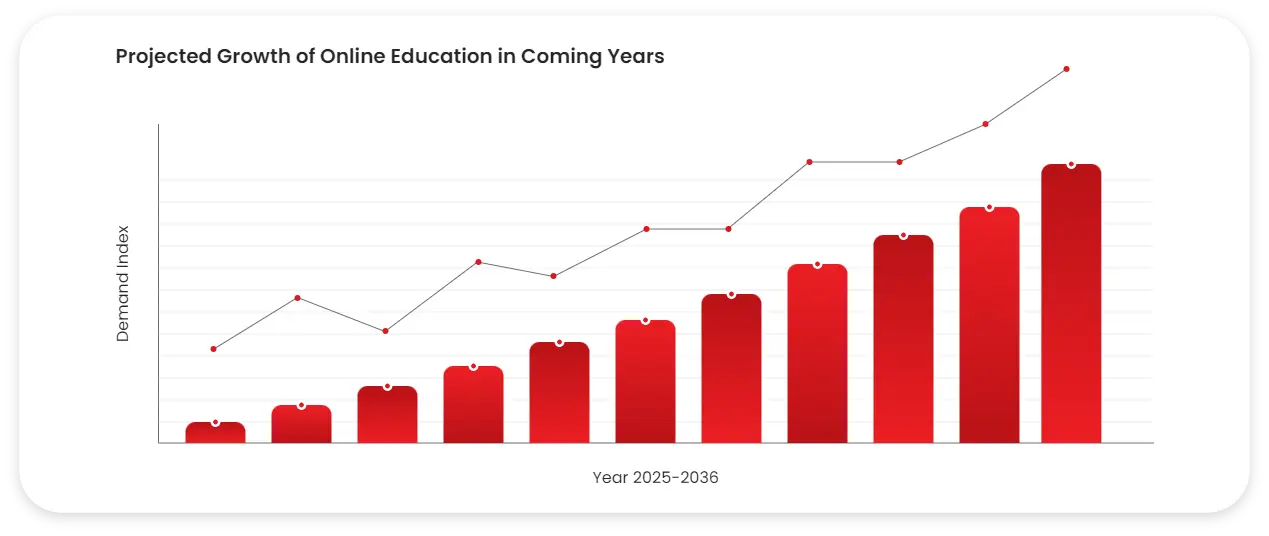
Increasing demand for finance professionals in 2026 is driven by rapid growth in financial services, fintech, and data-focused decision making across industries. Companies are seeking experts who can interpret complex financial data and guide strategic investments. Global expansion and economic uncertainty make strong financial planning and risk management crucial. As businesses adopt digital tools and advanced analytics, they need professionals with both finance knowledge and practical skills to stay competitive.
Conclusion
Frequently Asked Questions



Popular PG Programs
Trending UG Programs
Doctorate Programs
Executive Programs
Trending Online Universities
In Demand MBA Specializations
In Demand MCA Specializations
CollegeSathi aims to provide unbiased and precise information to aspirants, along with comparative guidance on universities and their programs. The content on the CollegeSathi website, including text, graphics, images, blogs, videos, and university logos, is meant for informational purposes only and should not be considered a substitute for official information provided by academic partners. While we make every effort to keep the information accurate and up to date, CollegeSathi does not guarantee the completeness or reliability of the content and is not responsible for any errors, omissions, or losses resulting from its use.
© CollegeSathi 2026. All Rights Reserved.